Understand glucose readings
Learn how fasting glucose and HbA1c differ and when a clinician should interpret results.
Blood Armor · Wellness and Buyer Guide
Explore daily metabolic-wellness habits, supplement ingredient research and practical buying considerations. Learn about Blood Armor and review the available purchase options without assuming unproven medical outcomes.
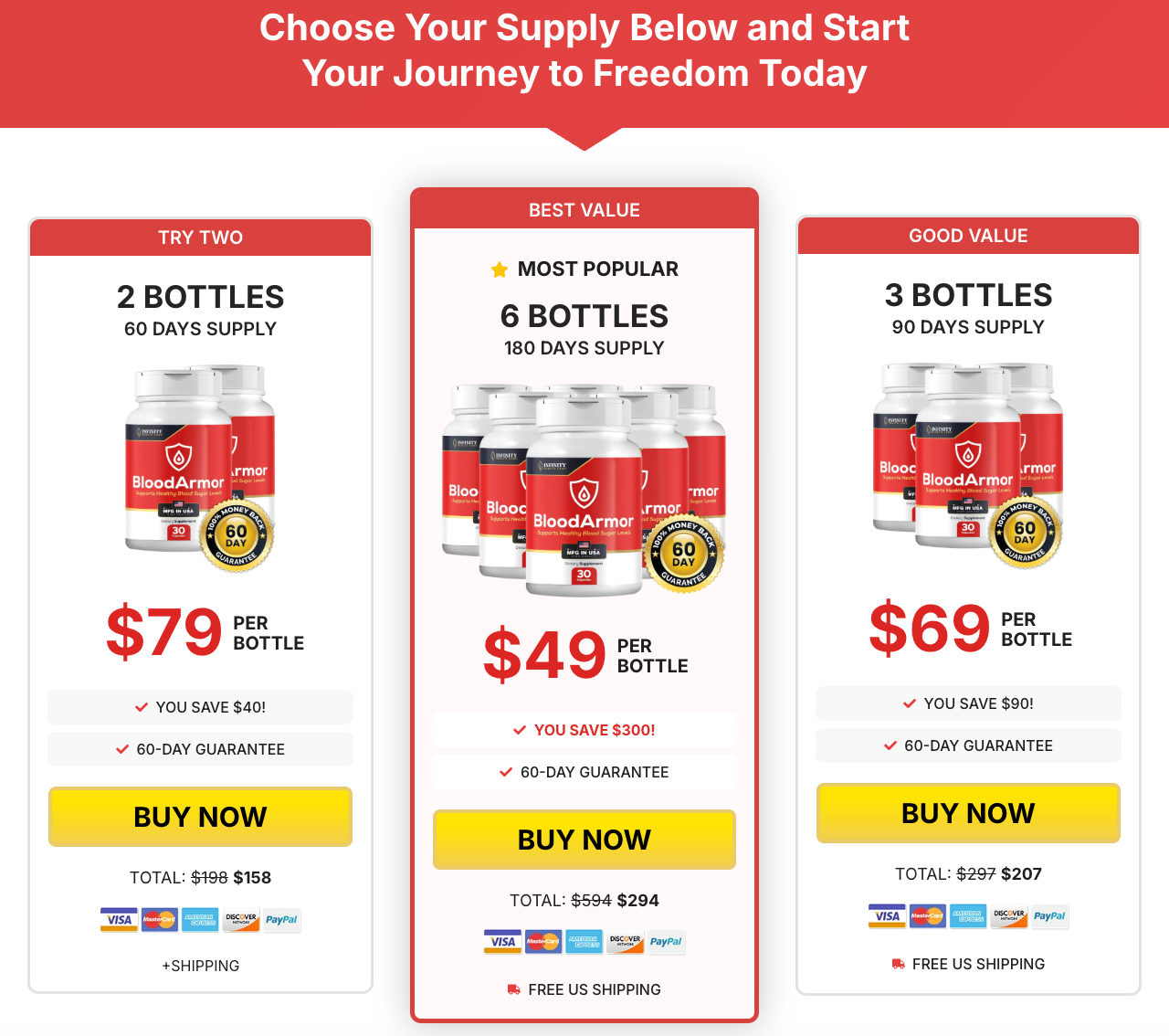
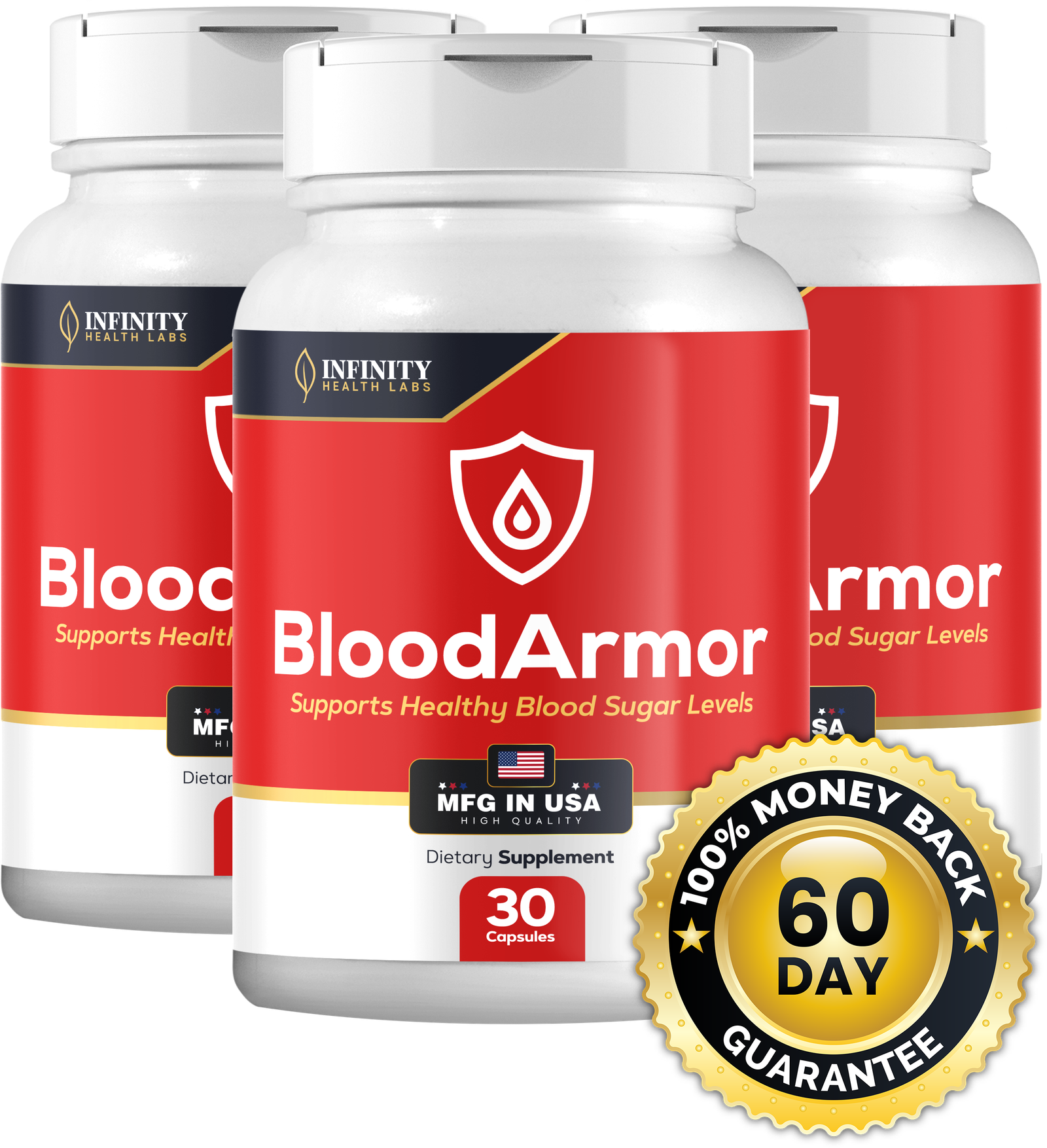
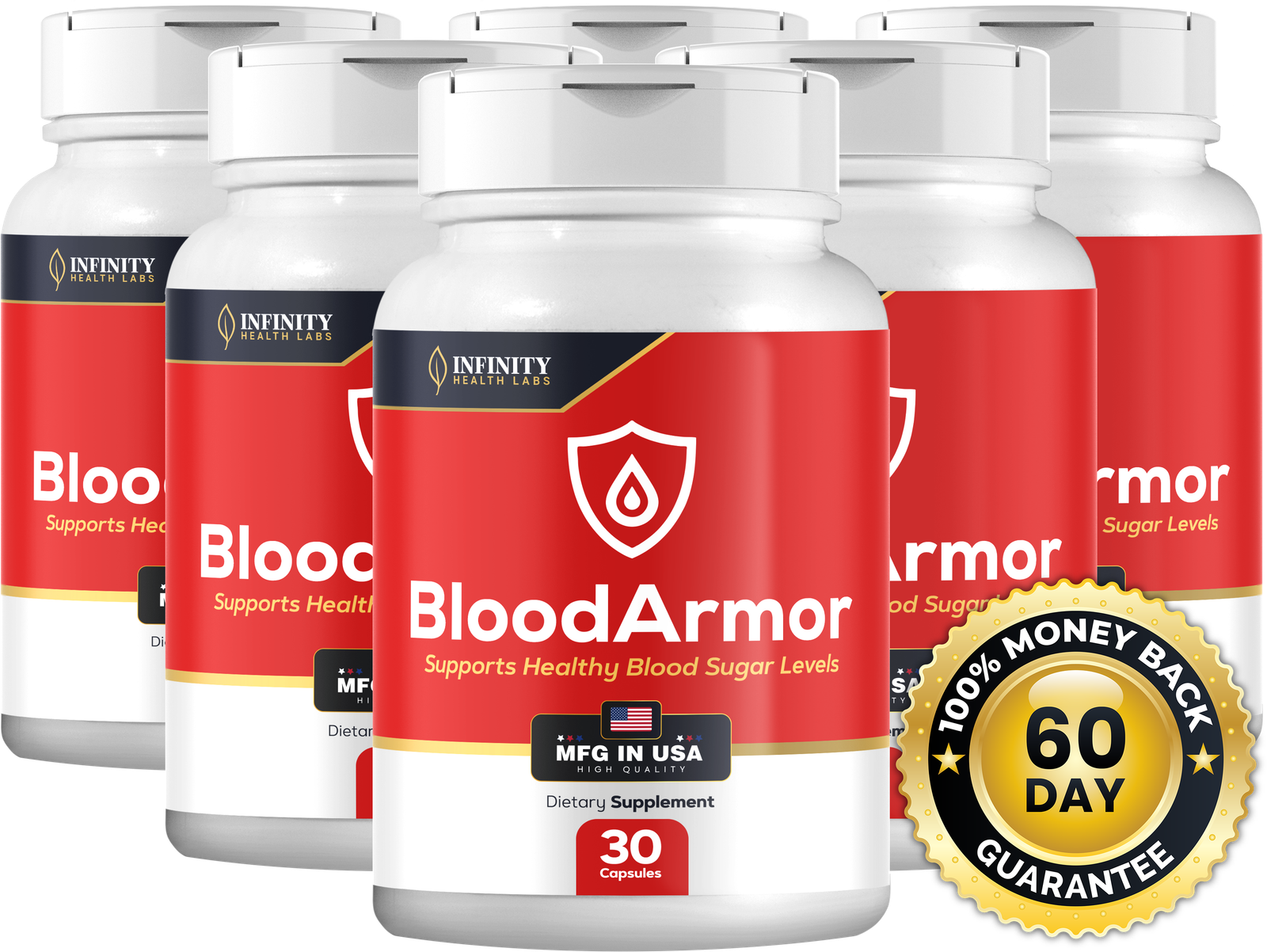
The graphic shows merchant-advertised pricing and guarantee information; verify terms at checkout.
Blood Armor · Purchase Options
Compare advertised bottle packages, then review the merchant checkout for current pricing, shipping and refund conditions.
CHECK CURRENT OFFER ↗Affiliate link · Pricing and guarantee wording shown in artwork are merchant advertising and require checkout confirmation.
Get informed
Blood glucose is a source of energy, and insulin helps regulate how the body uses and stores it. The way glucose changes during the day depends on meals, movement, sleep, medicines, health conditions and individual biology. Someone seeking to improve their food choices has a different question from someone managing diagnosed diabetes. This site treats those needs separately.
Blood Armor is marketed in the nutritional supplement category for blood-sugar wellness. A product's positioning is not proof that it lowers fasting glucose, reduces HbA1c or treats a medical condition. Readers can use the guides here to examine ingredients, identify questions for their clinician and compare the actual merchant offer.
For general wellness, begin with nutrition, physical activity and appropriate preventive care. For elevated readings or symptoms, seek a qualified clinical assessment. If you are considering a supplement, understand the ingredients, dose, warnings, possible interactions and evidence before deciding whether it is right for you.
Ingredient intelligence
Not all dietary supplements use the same forms, quantities or combinations of ingredients. A trustworthy comparison begins with a current Supplement Facts label: serving size, named compounds, amounts, extracts, other ingredients and product warnings. A botanical's common name by itself may not identify the precise preparation studied in a trial.
Research has examined berberine, chromium, cinnamon, magnesium and certain botanicals in relation to glucose metabolism. Findings are mixed, and evidence for a single ingredient does not demonstrate that a multi-ingredient commercial formula has the same effect. Although the supplied reference sales page lists several ingredients, its description has not been independently matched to a current manufacturer label, so this page does not assign exact ingredient doses to Blood Armor.
Who participated in the study? What specific ingredient preparation and dose were used? How long did participants take it? Was the outcome fasting glucose, HbA1c, a symptom or a different measure? Answers to those questions are more important than general phrases such as “natural support” or “science backed.”
For ingredient-by-ingredient analysis, read the independent ingredient evidence guide and the clinical evidence assessment.
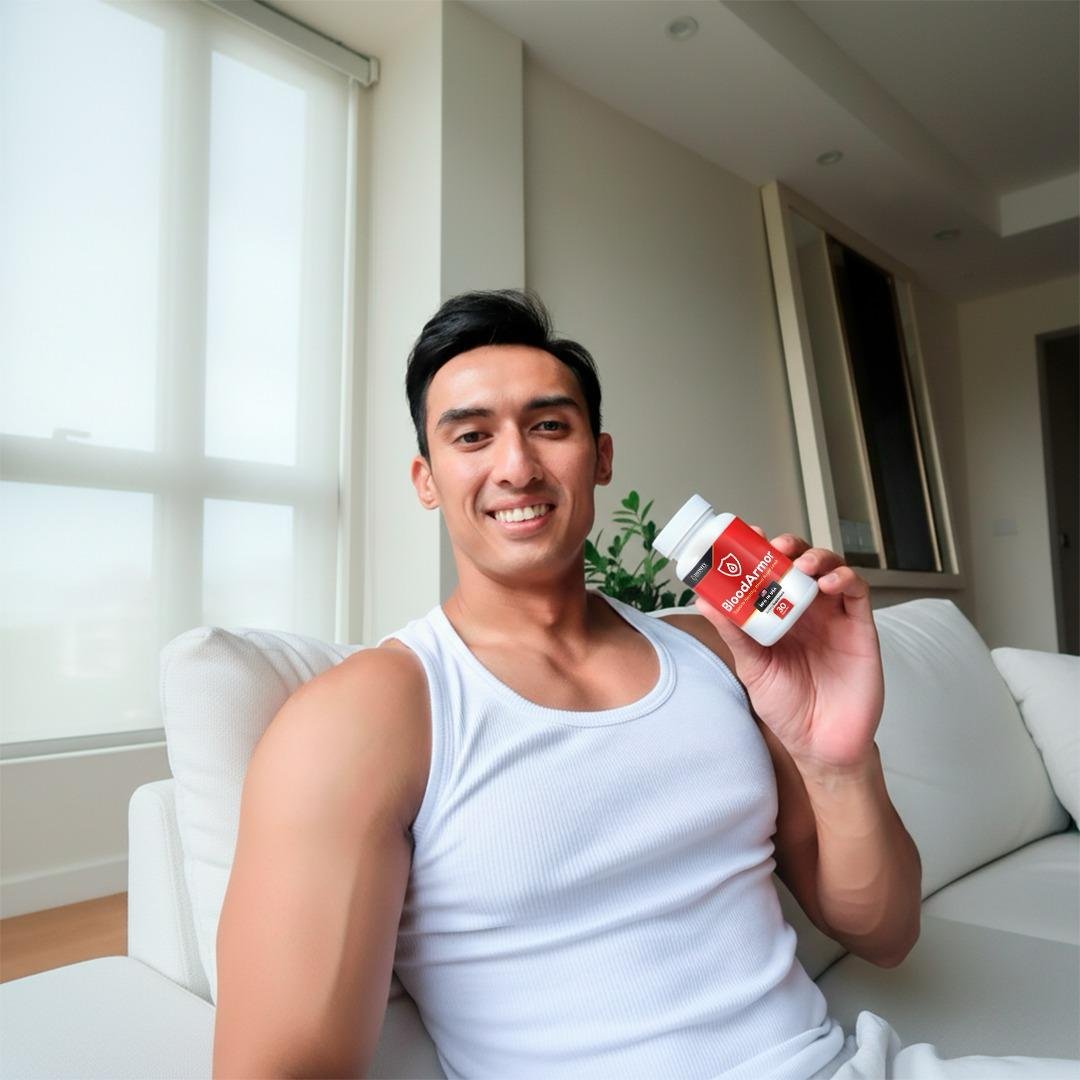
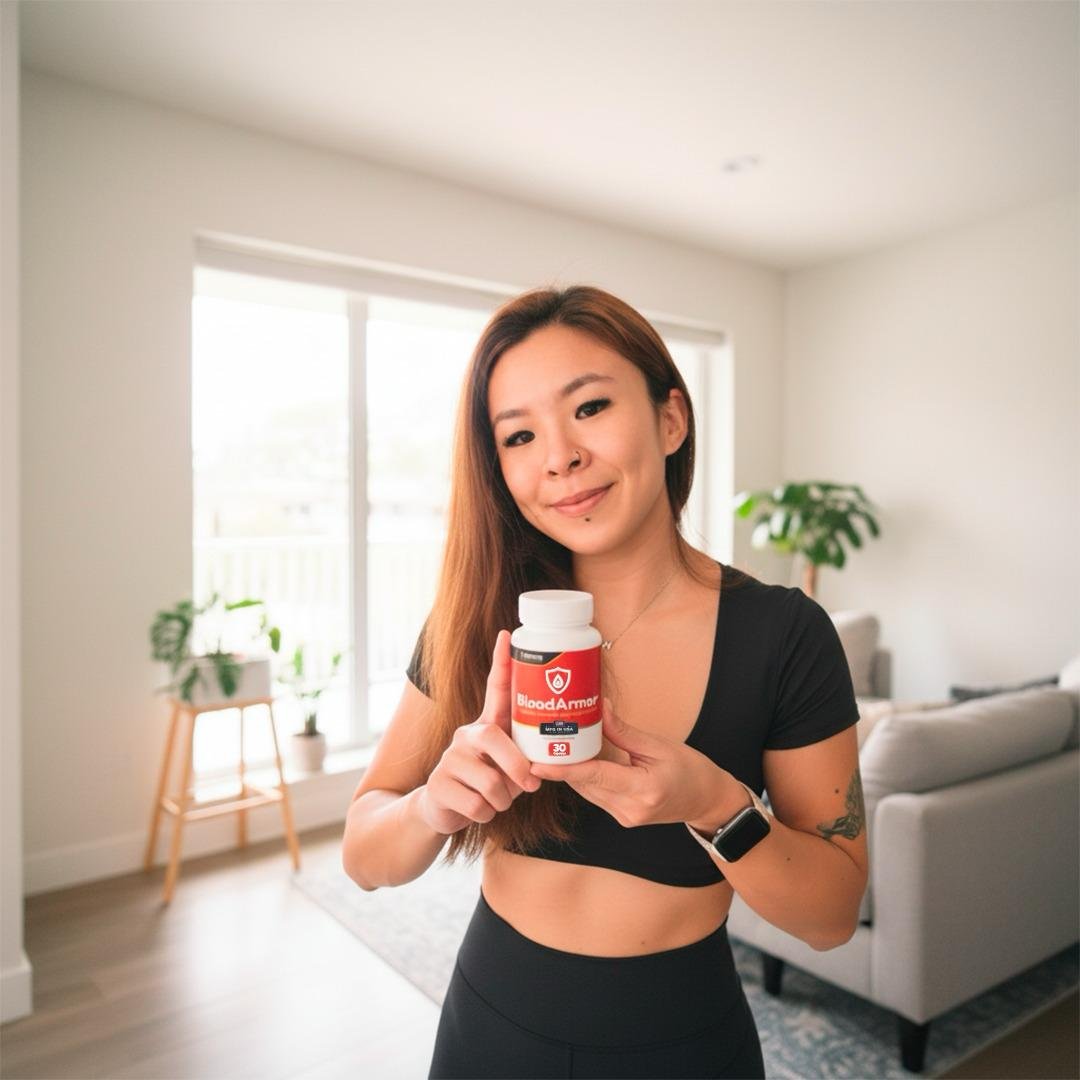
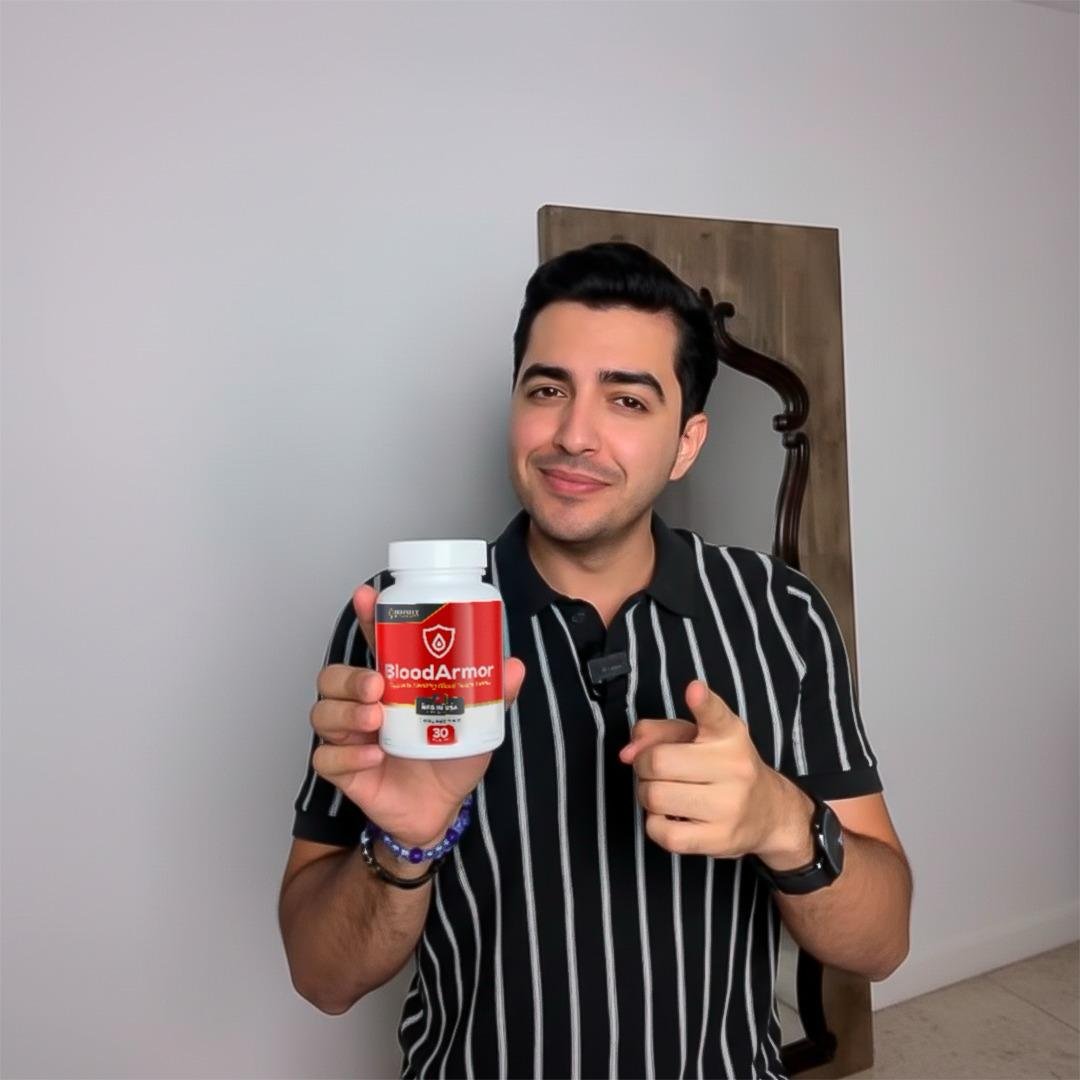
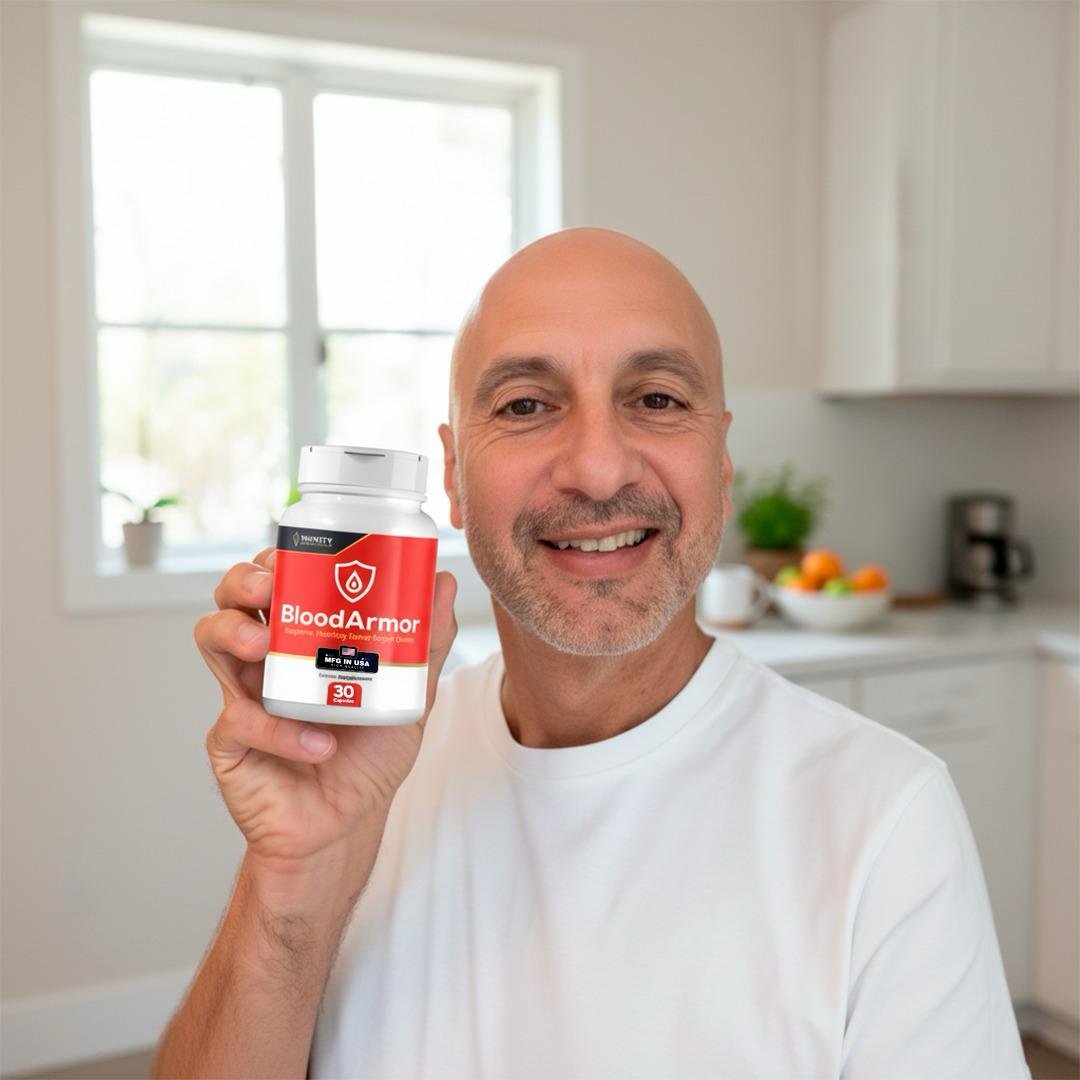
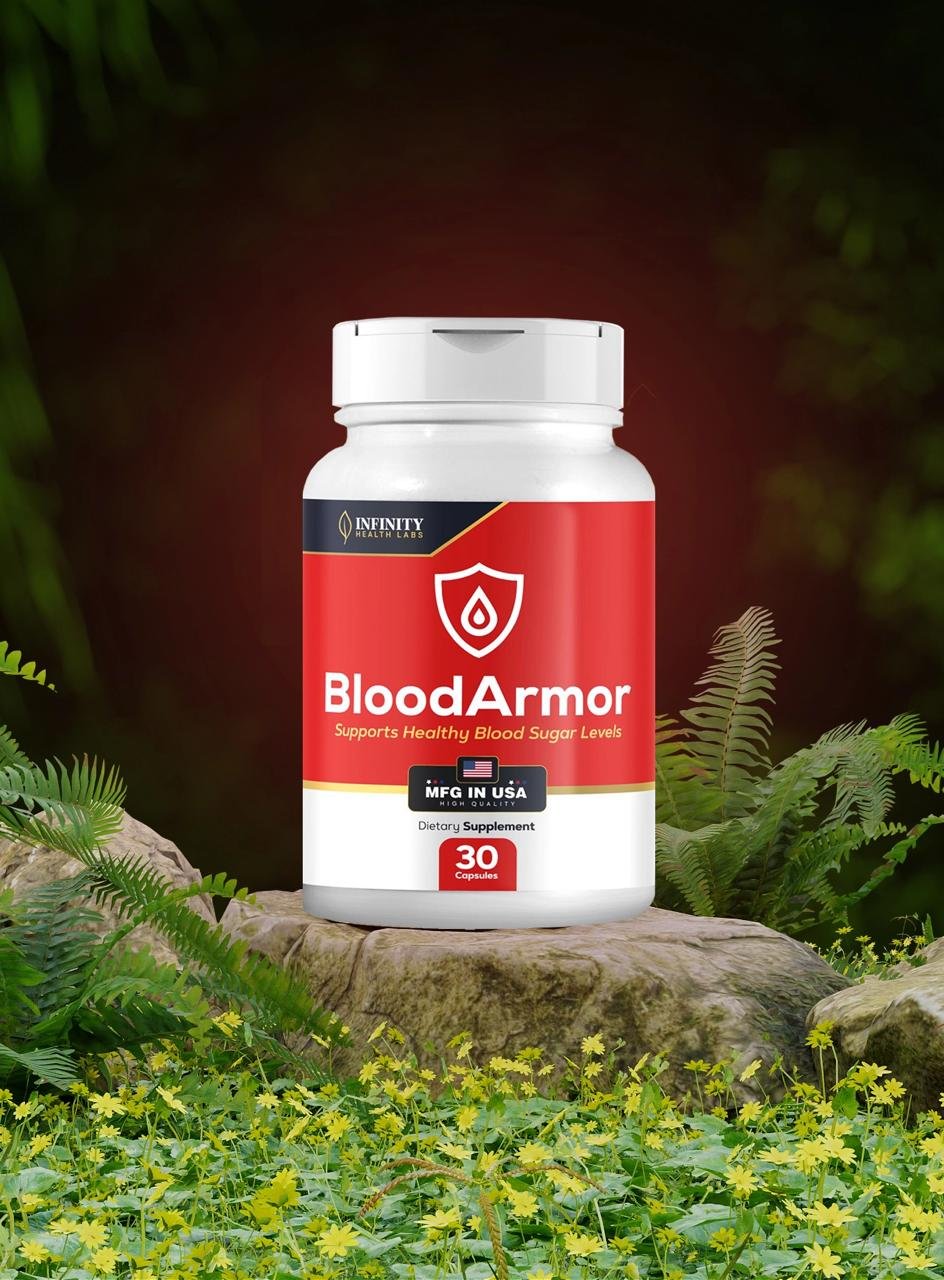
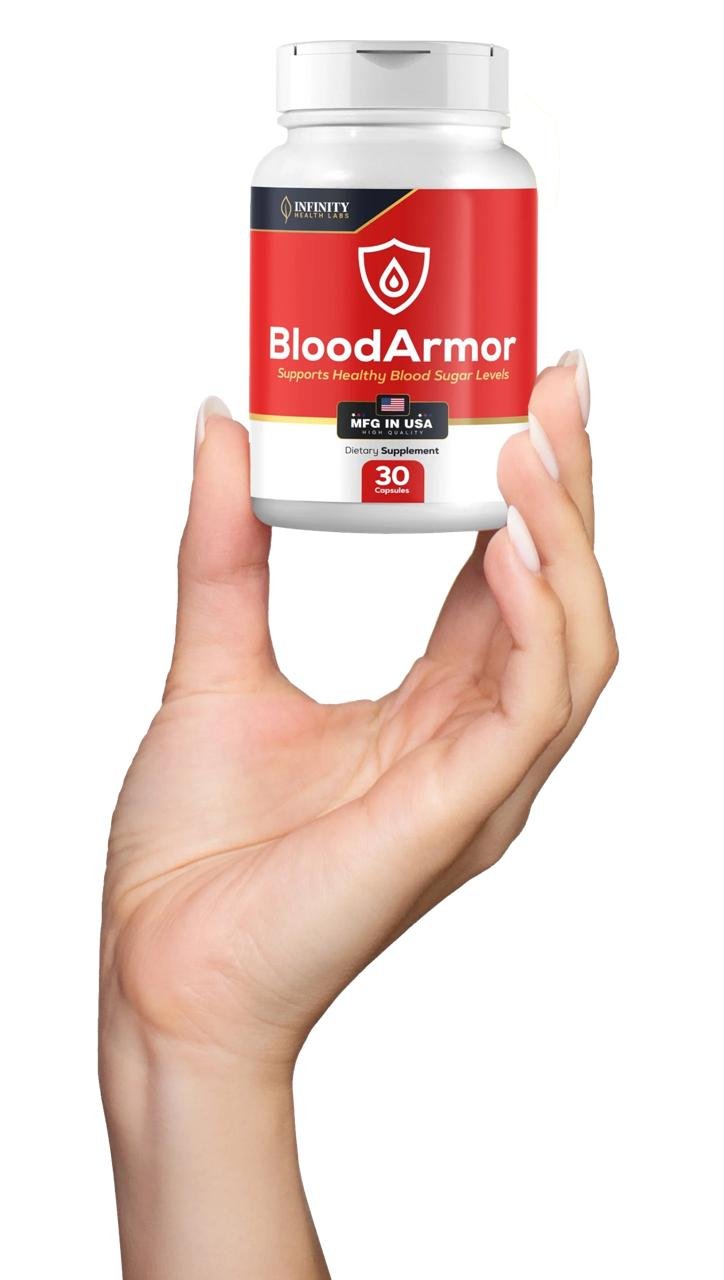
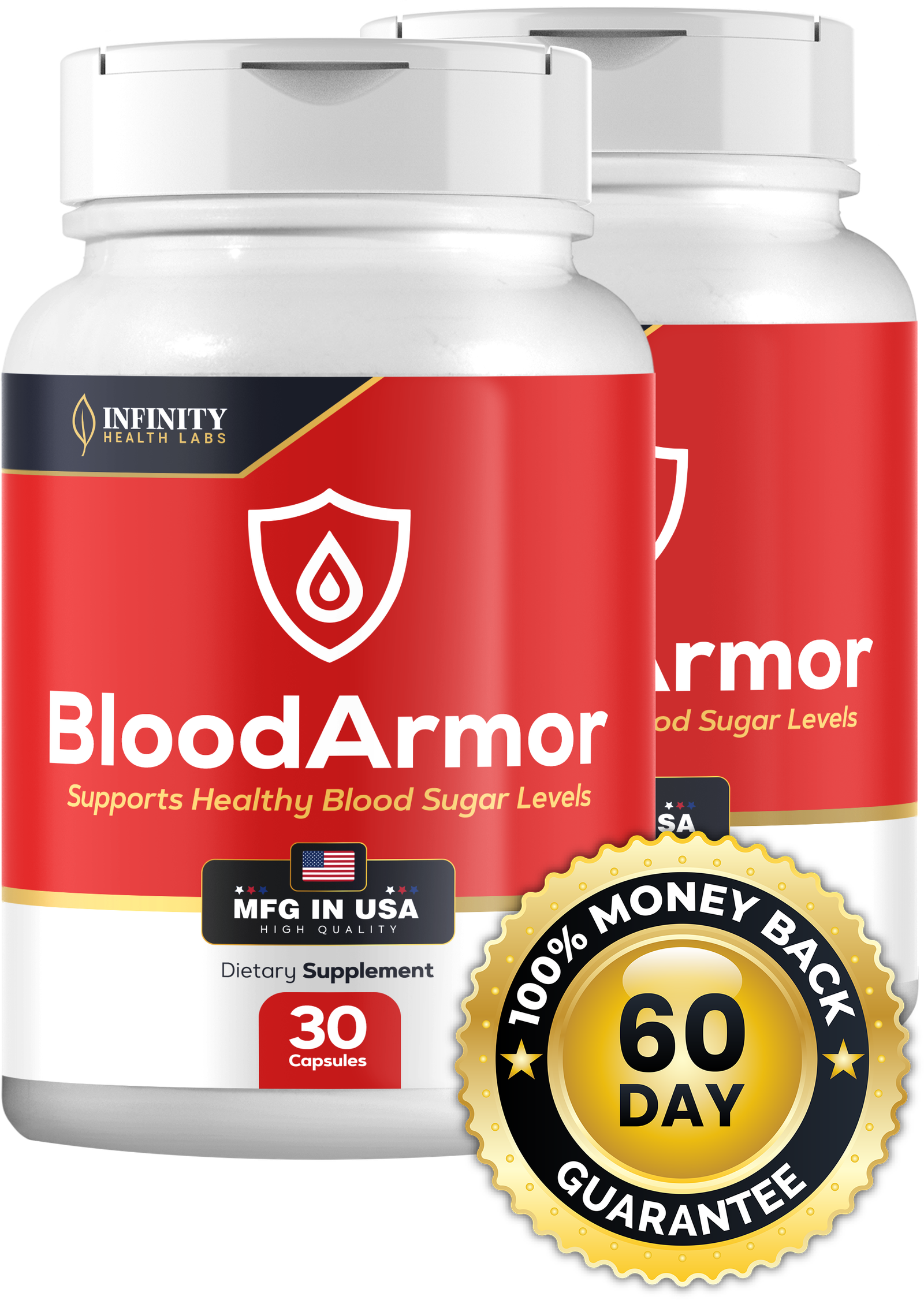
Promotional photographs supplied with the product assets. People pictured are not presented as verified customers or clinical participants.
Everyday metabolic wellness
Learn how fasting glucose and HbA1c differ and when a clinician should interpret results.
Choose sustainable patterns that consider carbohydrate quality, fiber and personal circumstances.
Match regular movement and suitable resistance exercise with your health and capabilities.
Compare actual formulation disclosure, safety information and published ingredient evidence.
Check the merchant, total checkout cost, shipping and refund terms before placing an order.
These are meaningful personal-wellness and consumer-information goals—not promised effects of Blood Armor. Research quality and individual health circumstances determine what conclusions can be drawn about any supplement.
Blood Armor · Purchase Options
Compare advertised bottle packages, then review the merchant checkout for current pricing, shipping and refund conditions.
CHECK CURRENT OFFER ↗Affiliate link · Pricing and guarantee wording shown in artwork are merchant advertising and require checkout confirmation.
Quality and safety
“FDA-approved supplement” is not a valid general claim: the US FDA does not approve dietary supplements before sale. A facility-related representation, a registration number, GMP language or a third-party certificate should be interpreted precisely rather than treated as proof of safety or effectiveness. The existence and scope of any certification should be checked with the responsible source.
People taking glucose-lowering medication may face interactions when adding supplements. Pregnancy, breastfeeding, kidney or liver disease, planned surgery and other health conditions can change the safety assessment. Natural origin alone does not establish safety. Review the MPS safety guide and discuss personal risks with a licensed professional.
The supplied promotional image depicts two-, three- and six-bottle packages, a payment strip and a 60-day guarantee badge. All are treated as merchant-advertised details rather than verified current offer conditions. Before purchasing, review the checkout's final price, shipping charge, guarantee exclusions, contact information and return procedure.
Decision support
Consumers often see a blend of different promises in supplement advertising: maintaining normal physiological processes, improving a laboratory measurement, reversing a diagnosis or preventing future illness. These statements are not interchangeable. A general nutritional-support statement is not a demonstrated disease-treatment outcome, while a study of one ingredient is not a study of the finished commercial formula.
Start by identifying the health outcome relevant to your circumstances. Someone with an elevated HbA1c result needs clinical interpretation and an appropriate care plan, not an assumption that a bottle of capsules will correct it. Someone comparing over-the-counter supplements should focus on product authenticity, disclosed amounts and interactions. These tasks can overlap, but a marketing message alone should not determine the answer.
Human research deserves particular attention when claims concern human health. Even among human studies, interpretability depends on comparison groups, sample size, duration, missing data and which measurements changed. Reviews that pool studies can help summarize a field, but may still inherit differences in product preparation, dose and study quality. Mechanistic or laboratory evidence can help develop hypotheses; it should not be presented as an established outcome in users.
For a multi-ingredient supplement, examine whether each stated ingredient amount is comparable to the form and exposure studied in people. If no exact-dose information is supplied, uncertainty increases. If only ingredient studies exist, the claim should remain at the ingredient level. If the finished product has not undergone qualifying trials, it is not appropriate to promise a clinical result.
The supplied offer art uses a price-per-bottle layout, prominent package badges and a large yellow purchase button. Its design makes package comparison easy, but does not settle suitability or safety. A buyer can compare the total upfront price with their budget and evaluate the relevant refund terms before paying. Advertised savings generally depend on a comparison price; that reference price should be verified rather than assumed.
Review who operates the checkout, how the order is fulfilled, and whether the displayed shipping destination is supported. Keep the transaction receipt and the applicable version of any guarantee. For international buyers, payment support, import duties and shipment feasibility can vary. Do not infer global delivery merely from an English-language promotional page.
Medical review is especially relevant when glucose readings have been persistently abnormal, symptoms suggest a health condition or medications are already being taken. Supplements can create exposure to multiple biologically active substances, including those that may influence the way medicines work. For people with kidney or liver disease, pregnancy-related concerns or complex treatment plans, seemingly routine supplement choices may carry additional considerations.
The goal of this resource is to help readers ask better questions, not to substitute for individualized treatment advice. Information should remain accessible and constructive while making clear what a product cannot credibly promise.
Questions answered
A dietary supplement marketed for blood-sugar wellness. Its current formula and specific claims should be checked against the manufacturer's current label.
It should not be viewed as a substitute for diagnosis, prescription medication or clinical management. No finished-product evidence has been established here demonstrating that it treats diabetes.
The reference sales page lists botanical and mineral ingredients, but the current authoritative Supplement Facts panel has not been verified. Ingredient amounts must not be inferred from marketing copy.
No. Studies vary by formulation, dose, population and measured outcome. Ingredient research should not be confused with evidence for a finished product.
Compare your budget, suitable use and total checkout cost. Larger packages can increase the total financial commitment despite a lower advertised unit price.
The supplied artwork advertises one, but the merchant's current return and refund policy controls eligibility, dates and procedures.
The following external resources explain the distinction between established lifestyle/clinical approaches, preliminary ingredient research and finished-product evidence. Further commercial information is available in the MenPS Blood Armor catalog guide.
Blood Armor · Purchase Options
Compare advertised bottle packages, then review the merchant checkout for current pricing, shipping and refund conditions.
CHECK CURRENT OFFER ↗Affiliate link · Pricing and guarantee wording shown in artwork are merchant advertising and require checkout confirmation.